Nevermind, 1991 — three people, three jobs, one argument
Production, mixing and mastering are different jobs. This record is where the difference became a public argument.
Most people use produced, mixed and mastered as loose synonyms for "something that happened to the record afterwards". They are three distinct jobs, done by different people with different authority, and Nevermind is the best case study available — because the people involved disagreed about the result, in public, for years.
Three jobs
Butch Vig produced it, at Sound City in Van Nuys in mid-1991. Production is about what gets recorded: arrangement, tempo, which take, how many guitars, what the drums sound like in the room. Vig layered guitars, pushed for doubled vocals — occasionally by telling Cobain that Lennon had done the same — and shaped performances.
Andy Wallace mixed it, afterwards, at a different studio. Mixing is about balance and space: relative levels, EQ, compression, reverb, where each element sits. Wallace took Vig's recordings and made them sound enormous — tight, punchy, radio-ready, with a low end that moved and drums that hit like an event.
Howie Weinberg mastered it. Mastering is the final stage: the record as a whole, its overall tone, its consistency track to track, and its delivery to the format.
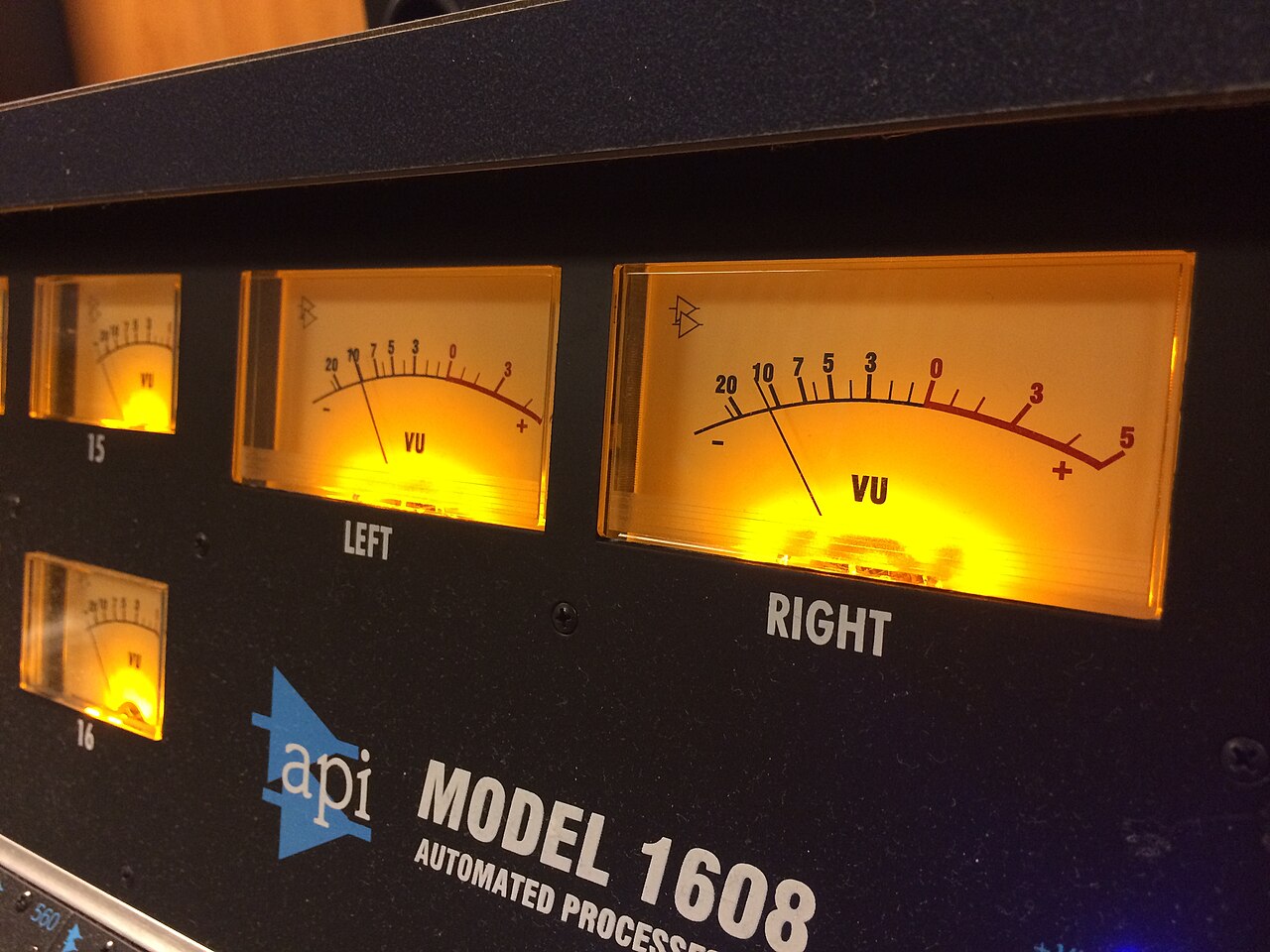
Three stages, three sets of decisions, each constrained by the one before. This matters because it tells you what can still be changed at each point — and what cannot.
The argument
Cobain later said he was unhappy with the finished record, describing it as too polished, too close to a conventional rock production, and further from the band's live sound than he wanted. The complaint was not about the songs or the performances. It was about the mix.
That is a precise and revealing target. He was not saying the wrong takes were used, or that the mastering was too loud. He was saying that the balancing and processing applied after recording had moved the record somewhere he did not want it to go.
And he was right that it had. Wallace's mix is a considerable transformation: big reverbs, controlled dynamics, a polished low end. It is also, by any commercial measure, why the album reached the number of people it reached.
Both things are true. That is the interesting part.
What each stage can and cannot fix
This is the practical payload, and Nevermind illustrates it precisely.
| Stage | Can change | Cannot change |
|---|---|---|
| Production | Arrangement, performance, tone at source, which take | — |
| Mixing | Balance, space, EQ and dynamics per element | The performances |
| Mastering | Overall tone, loudness, consistency, format | Anything within the mix |
The constraint tightens at each step, and it tightens a lot at the last one.
By the time a record reaches mastering, the elements are fused into a stereo file. You can make the whole thing brighter. You cannot make the vocal brighter and leave the cymbals alone, because they are the same signal now. You can add weight to the low end; you cannot pull down a bass guitar that is too loud relative to the kick.
This is the single most useful thing to understand about mastering, and it is why "we'll fix it in mastering" is usually wrong. Mastering is a small, high-leverage set of moves applied to the whole. It is not a rescue service.
The lesson people take backwards
The usual reading of the Nevermind story is "the mix ruined it" or "the mix saved it", depending on which side you were on in 1991.
The better reading is that a mix is an interpretation, and interpretations can be wrong for the artist while being right for the audience. Wallace was not sneaking something past anybody; he was hired to do a job and did it exceptionally well. The mismatch was in intent, and intent is not a technical parameter — it is a conversation that has to happen before the faders move.
Which points at the thing worth carrying:
- ·Decide the target before the stage that commits to it. A mix disagreement discovered after mastering is expensive. A production disagreement discovered after mixing is worse.
- ·Know which stage owns the problem. "It sounds too polished" is nearly always a mix note. "It sounds dull" is often a mastering note. Aiming a note at the wrong stage produces a fix that does not fix anything.
- ·Being able to hear what changed is not optional. The reason this became a public argument is that a band listened to their own record and did not recognise what had happened to it.
That last one is worth sitting with. If a stage in the chain is opaque — if you get a file back and cannot tell what was done or why — you will find out whether you agree with it only after it is finished. Which is exactly what happened to one of the most successful records of the decade.
Try it on your own mix
Wavely shows the whole chain — every stage, every parameter, and why each decision was made. Adjusting it and re-mastering is free on every plan.
Get started free →